Annual Reports are Becoming a Company's Most Credible Voice
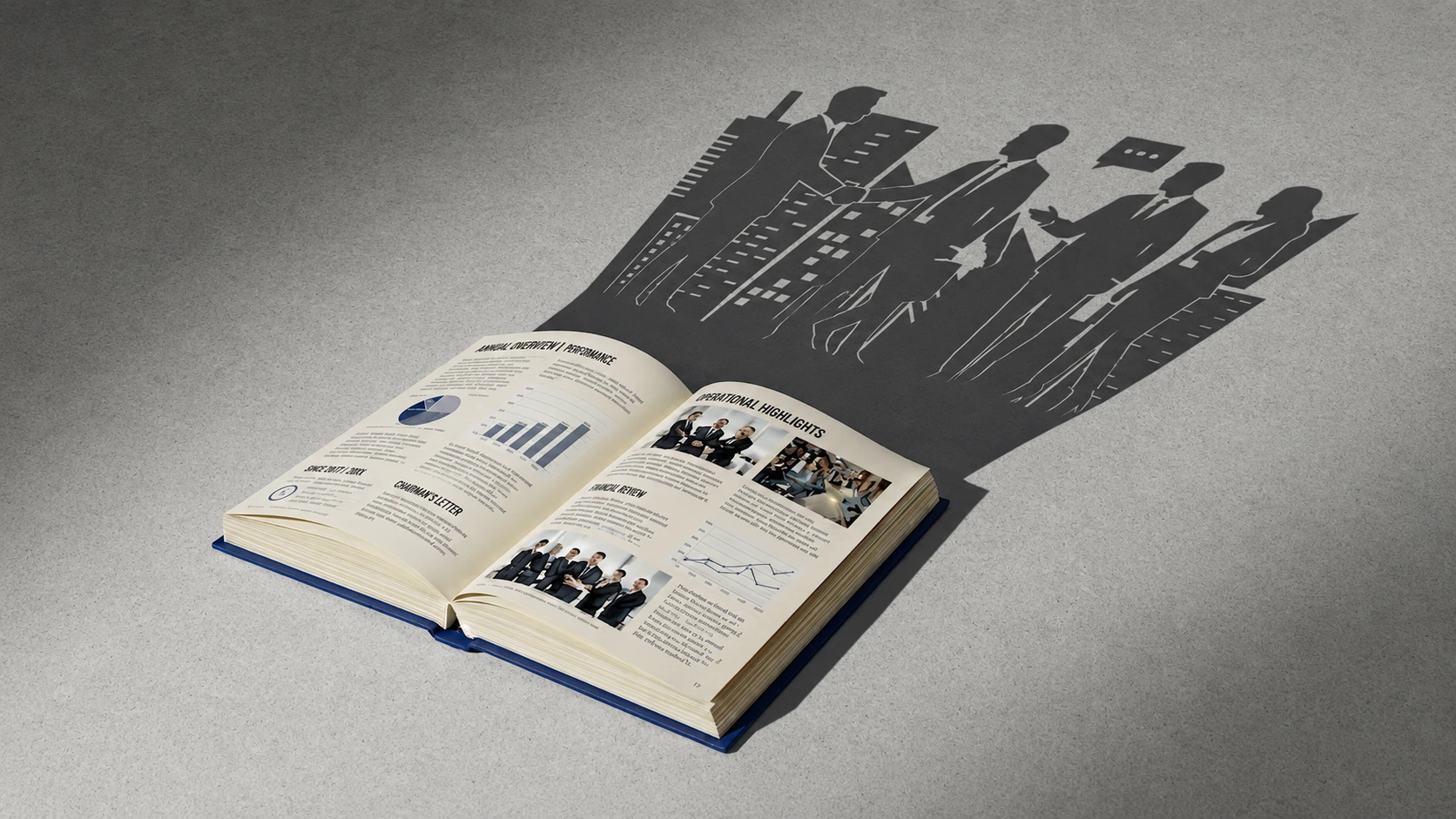
Jakarta ( 13 May 2026) – For a long time, the Annual Report was little more than a compliance exercise, a thick document full of numbers that nobody outside the finance team truly read. That is no longer the case. Today, across different industries, the Annual Report, Sustainability Report, and Integrated Report have become some of the most important documents a company puts out. The reason is simple, more people are reading them, and they are reading with far more scrutiny than before.
Across industries and geographies, the Annual Report, Sustainability Report, and Integrated Report have quietly evolved into some of the most consequential documents a company produces because the audience for corporate reporting has grown.
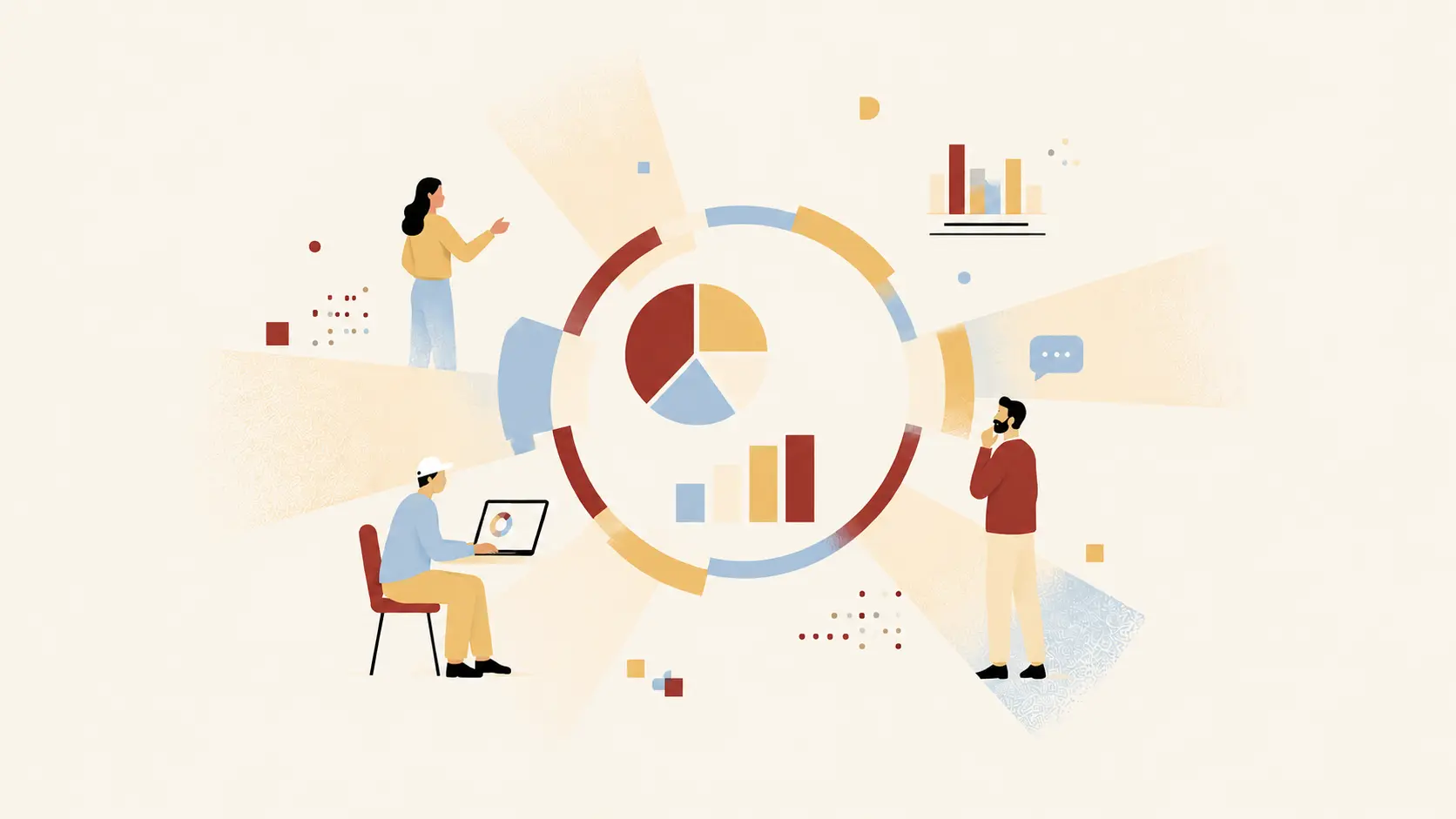
These reports now serve a far broader audience, and each group reads with a different purpose. Business partners read them to understand an organization's culture and values before agreeing to work together.Regulators examine them to determine whether a company is genuinely accountable for its actions. And beyond the boardroom, consumers, job seekers, and civil society groups increasingly turn to these reports to decide whether a company has earned their trust.
Doing this well comes down to three things:
-
The first is narrative.
Numbers alone do not build confidence. Without a coherent story to give them meaning, even strong financial results struggle to persuade, because data informs, but narrative is what stays with the reader.
-
The second is data integrity.
Every figure in the report, financial or otherwise, has to be accurate, traceable, and in line with recognized standards like GRI and OJK requirements. Readers who know what they are looking for will notice when something does not adds up, and one inconsistency is enough to make them doubt everything else.
-
The third is visual and editorial quality.
A well-designed report gets read. A poorly designed one, no matter how good the content, gets skimmed or set aside. Layout, typography, and visual flow are not finishing touches, they are part of whether the message actually lands.
The real challenge is making all three work together so the report feels like one cohesive document rather than a collection of separate pieces. Anyone who reads corporate reports regularly can tell when a report was written by five different departments with no one coordinating the whole. The sections feel disconnected, the tone keeps shifting, and the overall message gets lost. That kind of report does not leave a good impression, no matter how solid the individual parts are. When a report gets it right, people will remember it. . For many stakeholders, the report is the only real window they have into a company, they form their opinion entirely from what they read on the page, without ever speaking to anyone there. The best reports are honest about how the year actually went: the wins, the setbacks, and what the company is doing about both. That kind of honesty, presented clearly, is what builds lasting trust.
This is exactly what SAMCGI focuses on. A corporate report is too important to be treated as a formality. The data needs to be shaped into a story that is clear and easy to follow. And that story needs to be presented in a way that actually invites people to read it, through thoughtful design and layout that works with the content, not against it.
Every project starts with a conversation. SAMCGI takes time to understand what each company has been through, what they want to say, and who they are saying it to. From there, we work together to build Annual Reports, Sustainability Reports, and Integrated Reports that reflect the company honestly and clearly, even when the story is complex, or the data is too complicated.