Key Opportunities to Strengthen a Sustainability Report

Jakarta, Indonesia (April 30, 2026) – A sustainability report is more than a compliance document. It is a strategic communication tool that helps companies present their business direction, demonstrate accountability, build trust, and create long-term value for investors and stakeholders.
However, many companies still view sustainability reporting as a formal obligation rather than an opportunity.When prepared thoughtfully, a sustainability report can become a strong platform to communicate impact, resilience, and long-term strategy.
Here are five ways companies can strengthen their sustainability reports and make them more impactful and credible.
1. Moving Beyond Compliance Toward Value Creation
Sustainability reports are often prepared to meet regulatory requirements. While compliance is important, a report that focuses only on obligations may feel generic and lack strategic insight.
A more effective sustainability report should go beyond listing activities. It should communicate the value behind each initiative.
Companies can strengthen their reports by presenting data in context, using relevant visuals, and highlighting measurable outcomes. Instead of only stating that a program was conducted, the report should explain why the program matters, who benefits from it, and how it contributes to the company’s broader goals.
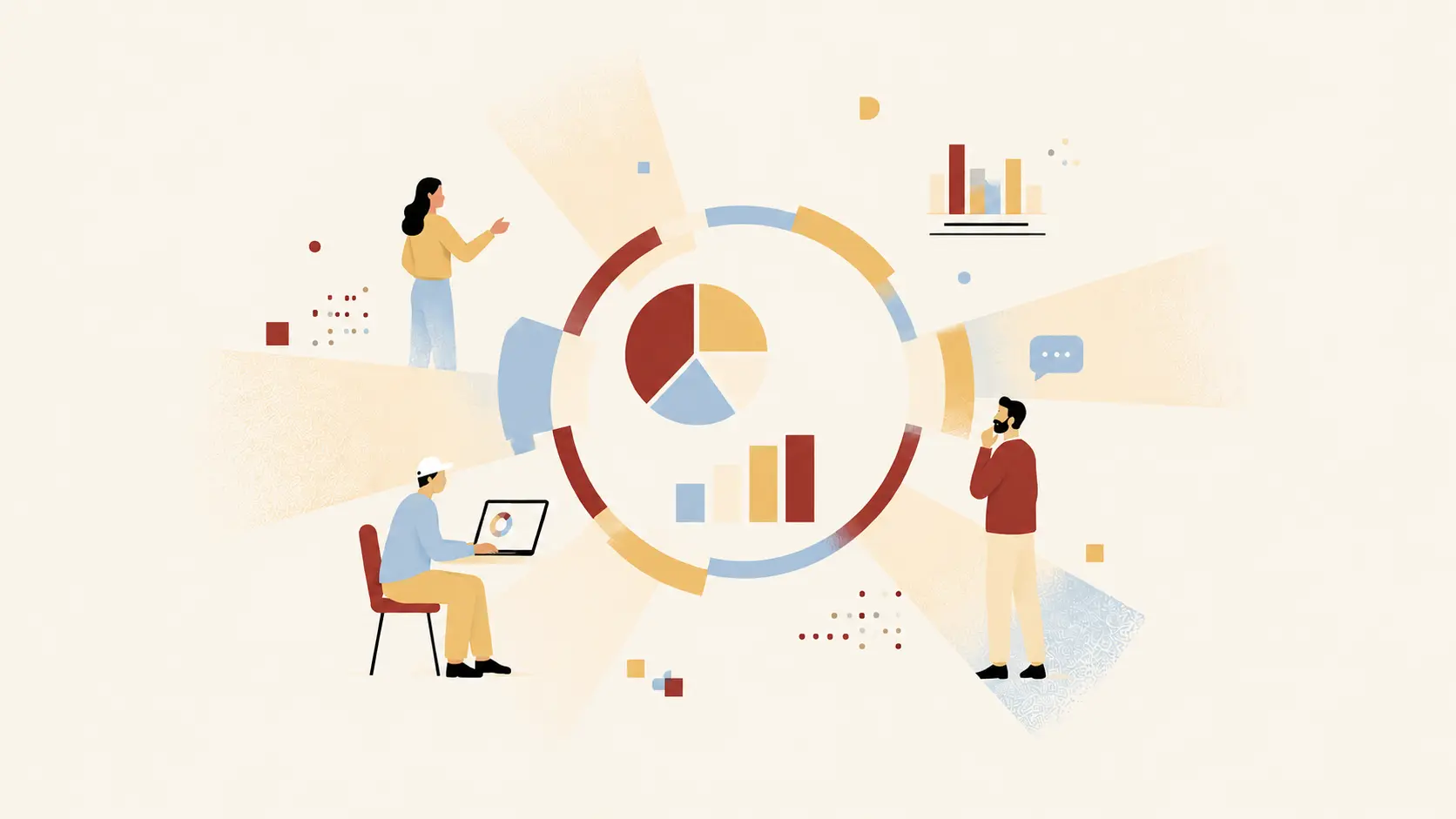
Visual elements also play an important role. They are a tools to support the message. Strong visuals help readers understand the story behind the data and make the report more engaging.
2. Creating a Clear and Connected Story
A strong sustainability report should feel clear and connected from beginning to end. Without a clear structure, reports can feel fragmented and difficult to follow.
A good report connects key elements, such as business strategy, risks, performance, governance, and sustainability efforts into one consistent story.
Each section should lead naturally to the next. The report should explain what the company aims to achieve, the challenges it faces, the actions it takes, and the results it delivers.
When the flow is clear, the report becomes easier to understand and more useful for stakeholders.
3. Aligning Data, Narrative, and Visuals
One key element of a strong sustainability report is alignment. Data, narrative, and visuals should work together to deliver a clear message.
- Data provides facts.
- Narrative adds context.
- Visuals improve understanding.
When these elements are not aligned, the message becomes unclear. For example, if a company discusses workplace safety, the visuals should reflect that standard. Even small details, such as whether workers are shown using proper protective equipment, can affect how readers perceive credibility and professionalism.
A well-designed report ensures every chart, image, and paragraph supports the same message
4. Showing the Connection Between Strategy and Impact
Sustainability should not appear as a separate program.. It should be presented as an integral part of the company’s strategy and long-term direction.
Stakeholders want to understand how sustainability initiatives support business growth, risk management, operational efficiency, and long-term value.
To make this clear, company should explain:
- Data provides facts.
- Narrative adds context.
- Visuals improve understanding.
When this connection is clear, the report becomes more convincing. It shows that sustainability is beyond responsibility, it supportsf business resilience and long-term value.
Conclusion
A strong sustainability report focuses on clear messaging rather than length.
When data, narrative, and visuals are aligned, a sustainability report becomes more than a compliance document. It becomes a communication tool that builds trust, strengthens reputation, and shows how the company creates sustainable value.